


Last updated: 12 November 2026
Choosing a SIL provider in Western Sydney comes down to five checks: they are registered for SIL, the staff and house suit the person, daily life follows their choices, the money is clear and in writing, and you can leave without losing your home. We run Supported Independent Living homes ourselves, so we know which answers should make you pause. This is the checklist we would want a family to bring to us.
Key takeaways
- From 1 October 2026, SIL can only be delivered by providers that are registered or applied to register before that date.
- Check the NDIS Commission provider register and its compliance actions list before you visit any house.
- SIL funding pays for support. Rent, food and bills are paid by the participant, so ask how they are split.
- Restrictive practices are only allowed under an authorised behaviour support plan.
- Your housing should be separate from your support, so changing provider does not mean losing your home.
Contents
- Why the choice of SIL provider matters
- How do I check a SIL provider is registered?
- Questions to ask about staff, the house and daily life
- How SIL costs work: roster of care, quote and household costs
- Safety, complaints and restrictive practices
- What happens if you want to leave?
- Printable checklist and red flags
- Choosing a SIL provider in Western Sydney
- SIL with Skillwise in Western Sydney
- Frequently asked questions
Why the choice of SIL provider matters
Your SIL provider’s staff will be in your home every day, often around the clock. That makes it a bigger decision than most other NDIS supports.
SIL is usually claimed when you live with housemates who also have NDIS funding (NDIA, Guide to providing SIL). If you are still working out whether SIL is right at all, start with our guide to what SIL is and who it suits and our comparison of SIL vs SDA vs ILO.
Most of the problems we see start with a question nobody asked.
How do I check a SIL provider is registered?
Search the provider’s name on the NDIS Commission’s provider register and confirm they are registered (or have applied) for SIL. Then check the separate compliance actions list for banning orders or other action.
From 1 October 2026, SIL can only be delivered by providers that are registered or applied to register before that date (NDIA news, mandatory registration for SIL).
The registration code also changed. SIL delivered from 1 July 2026 is claimed under 0138 “Assistance with Supported Independent Living”, replacing 0115 for new supports (NDIA, SIL claims and payment changes).
The table below shows what to look up and where.
| What to check | Where to look | What you want to see |
|---|---|---|
| Registration status | NDIS Commission, find a registered provider | Currently registered, not suspended or revoked |
| Registered for SIL | The provider’s register entry, or ask for their certificate | SIL (0138, or 0115 before July 2026) listed |
| Banning orders and notices | NDIS Commission compliance actions | No current action, or a clear explanation if there was one |
Questions to ask about staff, the house and daily life
The best questions are practical: who supports you, who you live with, and how much say you get. Ask them at the house if you can.
Staffing
Ask how many staff are rostered at different times, and whether overnight staff are awake or asleep. Ask how they cover sick days, who the team leader is, and what training staff get for needs like epilepsy or mealtime support.
The house and housemates
Ask to meet the people you would live with, or at least hear about them in a way that respects their privacy. Ask how the provider decides who moves in, and whether current residents get a say.
Then check for a private bedroom and access that suits you.
Daily life, culture and language
Ask what an ordinary weekday looks like. Do residents choose meals, bedtimes and outings, or does the roster decide?
If culture, faith or language matter to you, ask for concrete examples of how the provider supports them. The NDIA expects providers to help participants understand service agreements in their preferred language (NDIA, Guide to providing SIL).

How SIL costs work: roster of care, quote and household costs
SIL funding pays for the support workers. Your rent, food and bills come from your own money, so you need two clear conversations: the support quote and the household costs.
The roster of care shows who is supported, when, and with how many staff. Under current NDIA guidance, a roster of care is no longer something providers must submit to the NDIA, but you and the provider should agree on it and on how your funding will be claimed (NDIA, Guide to providing SIL). Get it in writing before you sign.
The NDIA is clear: “SIL doesn’t include day-to-day living costs that aren’t related to disability support needs.” That covers groceries, rent or board, and utilities like electricity, water and internet. The table below shows who usually pays for what.
| Cost | Paid from | What to ask |
|---|---|---|
| Support workers (SIL) | Your NDIS plan | Can I see the roster of care and how it will be claimed? |
| Rent or board | Your own income | How much, and is there a separate tenancy agreement? |
| Groceries | Your own income | Is there a shared food kitty? |
| Electricity, gas, water, internet | Your own income | How are bills split between housemates? |
The NDIA does not set one formula for splitting house costs, so ask for the provider’s method in writing. If you do not yet have SIL in your plan, read how to get SIL funding in your NDIS plan first.
Safety, complaints and restrictive practices
A safe SIL provider can clearly explain how they report incidents, handle complaints and follow the rules on restrictive practices. Vague answers are a warning sign.
Restrictive practices, such as locking a cupboard or using certain medication to manage behaviour, have strict rules. They must be in a behaviour support plan, authorised under the state process where you live, and used only by registered providers. Any use outside those rules must be reported to the NDIS Commission (NDIS Commission, behaviour support rules for NSW).
Registered SIL providers are audited against the NDIS Practice Standards, including a SIL supplementary module (NDIS Commission, SIL supplementary module). Ask about their last audit.
If something goes wrong, you can raise it with the provider, and you can also contact the NDIS Commission on 1800 035 544 or online. If someone is at risk of harm right now, call 000 first (NDIS Commission, report an issue).
A tip from our team: ask the provider to walk you through a real, de-identified incident and what they changed afterwards. How they talk about it tells you a lot.
What happens if you want to leave?
You should be able to change your SIL provider without losing your home. Your housing and your support are two different arrangements, and they should be written up separately.
If the provider also arranges your housing, the NDIA says they need a tenancy agreement with you that sets out your tenancy rights (NDIA, Guide to providing SIL). The NDIA’s conflicts of interest fact sheet says providers must respect your housing rights, including security of tenure, whatever you decide about your other supports (NDIA, Conflicts of interest: home and living supports).
Check the notice period before you sign. Our guide to the NDIS service agreement covers what to look for, and our guide on how to find and switch NDIS providers covers the change itself.
Printable checklist and red flags
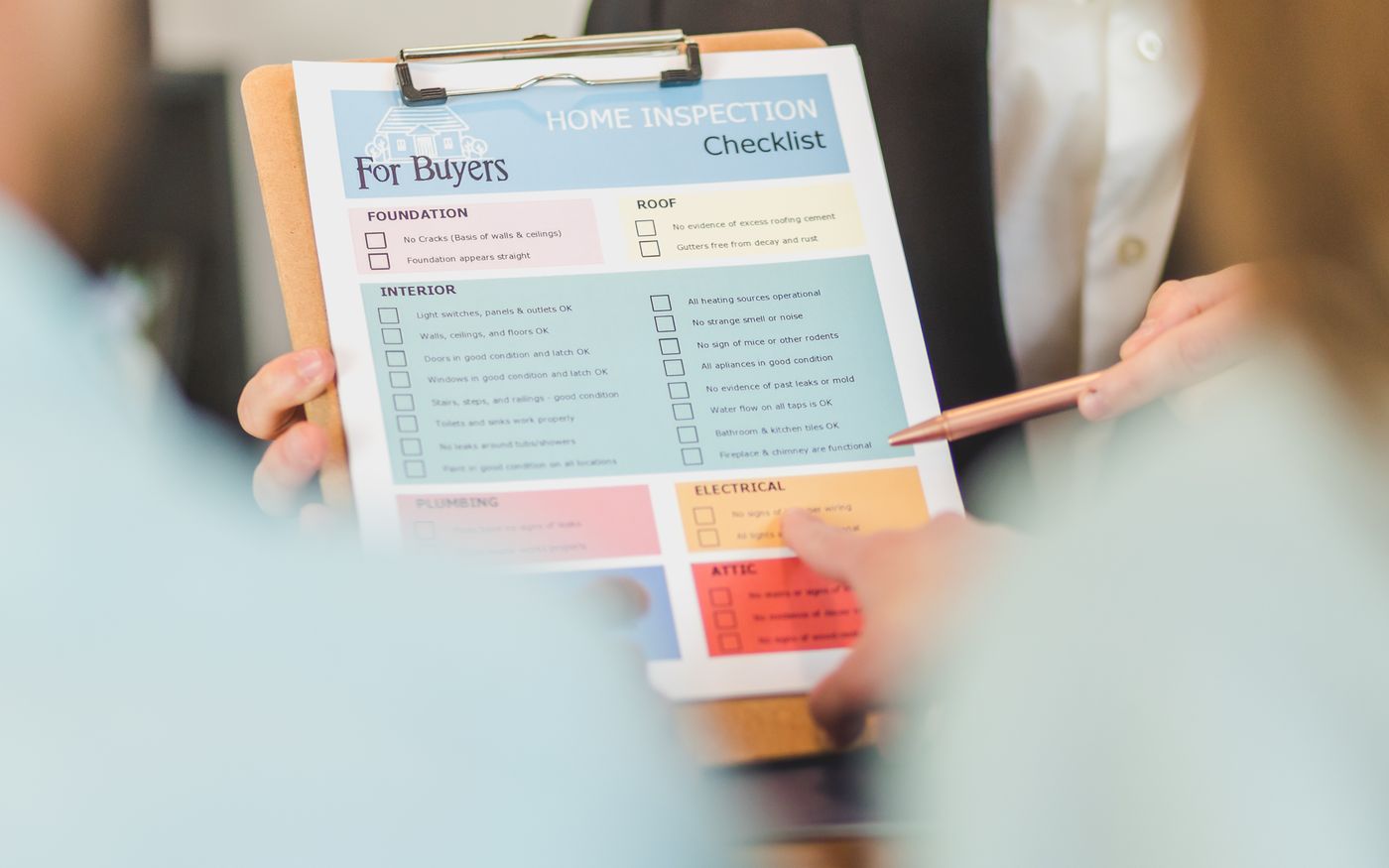
Print this page and tick off each item as you talk to providers.
Checklist for choosing a SIL provider
Each check and what a good answer looks like.
| Check | Good answer | Done |
|---|---|---|
| Registered for SIL on the NDIS Commission register | Yes, and they show you | ☐ |
| No banning orders or compliance notices | None, or a clear explanation | ☐ |
| Staffing day, evening and overnight | Specific numbers and names of leaders | ☐ |
| Met or heard about housemates | Yes, with a say for current residents | ☐ |
| Daily routine and choice | Residents decide, roster follows | ☐ |
| Culture, faith and language | Concrete examples of how they support it | ☐ |
| Roster of care | Shown to you and agreed in writing | ☐ |
| Rent, board, food and bills | Written amounts and how costs are split | ☐ |
| Incident and complaints process | Clear steps, families informed | ☐ |
| Restrictive practices | Only under an authorised behaviour support plan | ☐ |
| Notice period and tenancy | Separate tenancy and service agreements | ☐ |
Red flags vs green flags
How we would read the answers you get.
| Red flag | Green flag |
|---|---|
| Pressure to sign today to “hold the room” | Time to visit, think and ask your support coordinator |
| Vague about registration | Shows you their register entry |
| Will not show the roster of care | Talks you through it line by line |
| Rent and support in one document | Separate tenancy and service agreements |
| “You’d have to move out” if you change provider | Clear that your housing stays yours |
| Locked doors or cupboards with no plan | Restrictive practices only under an authorised plan |
| House costs explained verbally only | Written costs and sample statements |
Choosing a SIL provider in Western Sydney
Location matters as much as the provider. Most families want the house close to people and places the person already knows.

Check travel times to family, work and the GP, and the train and bus links. Western Sydney suburbs such as Blacktown, Mount Druitt, Rooty Hill and St Marys are close to each other, so ask whether the provider also offers community and daily living supports nearby. You can see all the areas we cover on our locations page.
When you compare SIL providers in Sydney, use the same checklist with each one. The differences become easier to see.
SIL with Skillwise in Western Sydney
Skillwise is a registered NDIS provider (Registration ID 4-JRM2YF0) based in Rooty Hill. We run Supported Independent Living homes in Mount Druitt and Rooty Hill and work with self-managed, plan-managed and NDIA-managed participants.
Ask us every question on this page. We will go through registration, the roster of care and the house with you and your support coordinator. Please call us about current vacancies.
Read more about our SIL support in Western Sydney, or about community participation alongside it.
Call us on 0474 151 264 or send us a message.
Frequently asked questions
Does my SIL provider have to be registered?
Yes. From 1 October 2026, SIL can only be delivered by providers that are registered with the NDIS Commission or applied to register before that date. Your plan funding does not change. If your current provider is not registered and has not applied, you will need to choose a registered SIL provider.
Does SIL funding pay for rent and food?
No. SIL funding pays for support workers, not day-to-day living costs. Rent or board, groceries and utilities such as electricity, water and internet are paid from your own income. Ask the provider to explain in writing how household costs are split between housemates before you move in.
Can I change SIL provider and stay in my home?
Usually, yes. Your housing and your support should sit under separate agreements, and the NDIA says providers must respect your housing rights, including security of tenure, whatever you decide about other supports. Check the notice period in your service agreement and tenancy agreement before you make the change.
How do I check a SIL provider in Western Sydney is safe to use?
Start with the NDIS Commission’s provider register and its compliance actions list. Then ask the provider about incident reporting, complaints, their last audit and how they handle restrictive practices. A good SIL provider in Western Sydney will answer each of these clearly and put the important parts in writing.
Support near you in Western Sydney
Skillwise is based in Rooty Hill and supports NDIS participants across the region. Read about our NDIS support in Blacktown, NDIS support in Mount Druitt, NDIS support in Rooty Hill and NDIS support in St Marys, or see all the areas we cover.