

Understanding your NDIS Core Supports funding is the first step toward maximizing your plan’s potential.
What Are NDIS Core Supports?
Core Supports are the foundation of your NDIS plan. They cover the essential services and items that help you with everyday activities, enabling you to live as independently as possible and work toward your personal goals. Unlike Capacity Building supports (which focus on developing skills) or Capital Supports (which fund equipment and home modifications), Core Supports are designed for immediate, ongoing assistance.
The NDIS structures Core Supports into four distinct categories, each serving different aspects of your daily life. Understanding these categories is crucial because while your Core Supports budget is flexible, knowing how to allocate funds across categories can significantly impact your quality of life.
The Four Categories of Core Supports Explained
1. Assistance with Daily Life
This is often the most utilized category, covering support with everyday personal activities that many of us take for granted. Assistance with Daily Life includes help with personal care tasks such as showering, dressing, grooming, and meal preparation. It also extends to household tasks like cleaning, laundry, and yard maintenance.
What You Can Purchase:
-
Personal care support (morning and evening routines)
-
Household cleaning and maintenance
-
Meal preparation and cooking assistance
-
Assistance with grocery shopping
-
Respite care for carers
Real Example: Sarah, a 28-year-old NDIS participant living in Parramatta, uses her Assistance with Daily Life funding to have a support worker visit three mornings per week. This support helps her with showering, dressing, and preparing breakfast before she heads to her part-time job. Without this assistance, Sarah would struggle with morning fatigue and time management, potentially jeopardizing her employment. By using approximately $450 per week from this category, Sarah maintains her independence and continues building her career.
Skillwise Tip: We recommend tracking your daily routines for one week to identify which tasks consume the most energy or cause the most stress. These are prime candidates for funded support.
 Assistance with Daily Life funding can help you master essential skills like cooking and meal preparation.
2. Transport
Transport funding helps you get where you need to go when you cannot use public transport independently or do not have access to a private vehicle. This category recognizes that mobility is essential for participation in work, education, and community life.
What You Can Purchase:
-
Taxi or rideshare services (Uber, Ola, etc.)
-
Specialized disability transport services
-
Community transport options
-
Training to use public transport independently
-
Vehicle modifications (though major modifications often fall under Capital Supports)
Real Example: Michael, a 45-year-old wheelchair user from Blacktown, receives $2,000 per year in transport funding. He uses this to book wheelchair-accessible taxis for his medical appointments and weekly social activities. Previously, Michael relied heavily on his elderly parents for transportation, which limited his spontaneity and independence. Now, he can schedule appointments at times that suit him and attend his men’s shed group every Thursday without worrying about burdening his family.
Skillwise Tip: If you’re unsure how much transport funding you need, track your current transport costs for a month. Include everything from taxi fares to the cost of having family members take time off work to drive you. This data will help you advocate for appropriate funding during your plan review.
 Transport funding ensures you can access medical appointments, work, and social activities independently.
3. Consumables
The Consumables category covers everyday items you need due to your disability. While the amounts are typically smaller than other categories, these items are essential for daily living and health management.
What You Can Purchase:
-
Continence aids (pads, catheters, bed protection)
-
Skin care products for specific conditions
-
Specialized food products (thickening powders, nutritional supplements)
-
Low-cost assistive technology (grabbers, adapted cutlery)
-
Prosthetics and orthotics maintenance
Real Example: Emma, a 35-year-old with multiple sclerosis, receives $1,200 annually in Consumables funding. She uses this for continence products and specialized skin care creams that prevent pressure sores. Before the NDIS, Emma was spending over $100 per month out of pocket on these essential items, causing significant financial strain. Now, she orders these products through her registered provider, and the NDIS pays directly, removing the financial burden entirely.
Skillwise Tip: Keep receipts for all disability-related consumables, even if you think they won’t be covered. During your plan review, these receipts demonstrate your needs and can support requests for increased funding.
 Consumables funding covers essential everyday items like continence aids and low-cost assistive technology.
4. Assistance with Social and Community Participation
This category is about connection, relationships, and engagement. It covers support to participate in social, recreational, and community activities, recognizing that isolation is a significant barrier for many people with disabilities.
What You Can Purchase:
-
Support workers to accompany you to social events
-
Assistance to attend classes or courses (not the course fees themselves)
-
Support for recreational activities (sports, hobbies, arts)
-
Help with attending community events
-
Group-based activities and programs
Real Example: James, a 22-year-old on the autism spectrum, was socially isolated before accessing NDIS supports. Through his Assistance with Social and Community Participation funding, he now has a support worker who accompanies him to a weekly photography club and helps him navigate social interactions. Over six months, James has developed genuine friendships and recently exhibited his photographs at a local community center. His confidence has grown so much that he now attends some events independently, using his support worker primarily for new or challenging situations.
Skillwise Tip: Think beyond traditional “disability services” when using this funding. Want to join a mainstream yoga class, learn pottery, or attend concerts? Your support worker can help you access these everyday community activities.

Social and Community Participation funding helps you build connections and pursue your interests.
Understanding Core Supports Flexibility
One of the most powerful features of Core Supports is their flexibility. Unlike Capacity Building supports, which are usually allocated to specific categories and cannot be moved, Core Supports budgets are generally flexible across the four categories. This means if you have leftover funds in Transport, you can potentially use them for Assistance with Daily Life.
However, there are important exceptions:
-
Stated Supports: If specific amounts are listed as “stated supports,” those funds must be used for their designated purpose
-
Agency-Managed Plans: If the NDIA manages your plan, you need approval to shift funds between categories
-
Plan-Managed or Self-Managed: You typically have more flexibility to move funds as your needs change
Skillwise Recommendation: Review your budget allocation every three months. If you consistently have unused funds in one category while struggling to cover needs in another, contact your plan manager or support coordinator to discuss reallocation.
Maximizing Your Core Supports Budget: Strategies from Skillwise
After supporting hundreds of NSW participants, we’ve identified key strategies to help you get the most from your Core Supports funding:
1. Understand Your Hourly Rates
The NDIS sets price limits for different support types. For example, standard weekday support costs less than weekend or public holiday support. By scheduling routine supports during standard hours, you can stretch your budget further.
2. Consider Group Supports
When appropriate, group-based activities can provide social connection while reducing individual costs. Many participants combine one-on-one support for personal care with group activities for social participation.
3. Plan for Reviews
Start documenting your needs at least two months before your plan review. Note where your current funding was sufficient and where you ran short. This evidence is crucial for securing appropriate funding in your next plan.
4. Use Technology Wisely
Low-cost assistive technology (under $1,500) often falls under Consumables. Items like medication reminders, adapted kitchen tools, or communication apps can reduce your need for ongoing human support, freeing up funds for other priorities.
5. Build a Relationship with Your Providers
At Skillwise, we get to know our participants deeply. When we understand your goals, preferences, and challenges, we can suggest creative ways to use your funding that you might not have considered.
Common Mistakes to Avoid
Mistake 1: Saving your funding for emergencies While it’s wise to be cautious, unused Core Supports funding typically doesn’t roll over to your next plan. The NDIA may interpret unspent funds as evidence that your current funding level is too high.
Mistake 2: Not asking for help Many participants struggle unnecessarily because they don’t realize certain supports are available. If you’re unsure whether something can be funded, ask your support coordinator or provider.
Mistake 3: Ignoring the “reasonable and necessary” criteria All NDIS supports must meet the reasonable and necessary criteria. Before requesting funding for something, consider: Is it related to your disability? Does it represent value for money? Will it help you achieve your goals?
Mistake 4: Not reviewing your service agreements Your service agreement with providers should clearly outline what supports you’ll receive, how much they cost, and how you can cancel or modify services. Review these agreements regularly.
How Skillwise Disability Services Can Help
At Skillwise Disability Services, we specialize in helping NSW participants navigate their Core Supports funding effectively. Our approach includes:
Personalized Budget Planning: We work with you to create a spending plan that aligns with your goals and priorities, ensuring your funding lasts throughout your plan period.
Flexible Service Delivery: Whether you need support for two hours per week or twenty, we tailor our services to your needs and budget.
Transparent Pricing: We explain exactly how your funding is being used, so you always know where you stand.
Goal-Focused Support: Every service we provide is designed to help you achieve your NDIS goals, whether that’s increased independence, improved health, or greater community participation.
Plan Review Preparation: When your review approaches, we help you document your needs and achievements, strengthening your case for appropriate future funding.
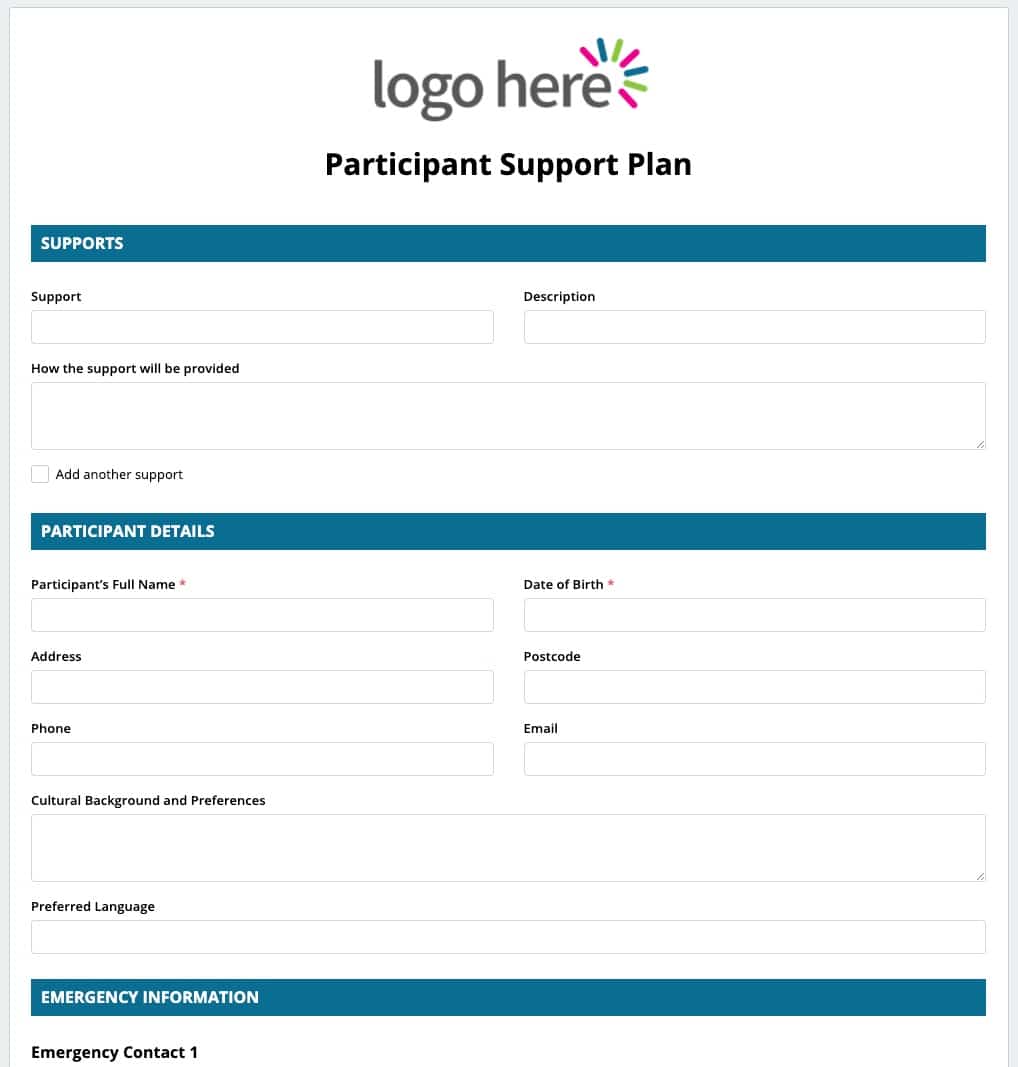
Proper planning and documentation help ensure your NDIS funding meets your needs.
Frequently Asked Questions
Can I use Core Supports for therapy services?
Core Supports are generally for everyday assistance rather than therapeutic interventions. Therapy services like physiotherapy, occupational therapy, or psychology typically fall under Capacity Building supports (Improved Daily Living). However, if you need a support worker to assist you during or after therapy sessions, that could be covered under Core Supports.
What happens to unused Core Supports funding?
Unused Core Supports funding typically does not roll over to your next plan period. The NDIA reviews your spending patterns during plan reviews, and consistently unspent funds may indicate that your funding level is too high. It’s better to use your funding appropriately throughout your plan than to save it.
Can I switch from Agency-Managed to Plan-Managed to get more flexibility?
Yes, you can request to change how your plan is managed at any time. Plan management gives you more flexibility to use both registered and unregistered providers, and generally allows easier movement of funds between Core Supports categories. Contact your Local Area Coordinator (LAC) or the NDIA to discuss changing your plan management type.
How do I know if my supports are “reasonable and necessary”?
The NDIS uses specific criteria to determine if supports are reasonable and necessary. They must: be related to your disability, represent value for money, be likely to be effective and beneficial, and take into account informal supports from family and community. Your support coordinator or provider can help you assess whether specific supports meet these criteria.
Can I use Core Supports to pay for my rent or food?
No, Core Supports cannot be used for everyday living expenses that all people pay for, such as rent, mortgage payments, groceries, or utility bills. However, you can use Core Supports for the additional costs associated with your disability, such as having a support worker assist with meal preparation or grocery shopping.
Taking the Next Step
Understanding your Core Supports funding is the foundation of a successful NDIS experience. By knowing what each category covers, understanding the flexibility available, and implementing smart budgeting strategies, you can maximize the impact of your NDIS plan.
If you’re feeling overwhelmed or unsure whether you’re making the most of your funding, Skillwise Disability Services is here to help. We offer free initial consultations for NSW participants to review your plan and suggest optimization strategies.